
Celebrating the Soul of Our City: Black History and Indianapolis Jazz

Mural on 322 N. Capitol Ave, near Indiana Avenue. By Pamela Bliss
At the Indianapolis Jazz Foundation, we believe that we cannot tell the story of Indianapolis without telling the story of Jazz, and we cannot tell the story of Jazz without honoring the Black musicians and entrepreneurs who built it.
As we mark 100 years since the first Negro History Week in 1926—the tradition that grew into Black History Month—we look back on the hallowed ground of Indiana Avenue, once home to more than 30 jazz clubs and a thriving Black-owned business. This wasn't just a street like so many others in Indy. It was a cultural district that embodied Indiana’s Black excellence, thriving even amid systemic segregation. During a time of segregation, when Black musicians were often excluded from venues and audiences, Indiana Avenue became a place of belonging, creativity, and opportunity. That legacy continues to shape our city today.
The Avenue: A Bastion of Black Excellence
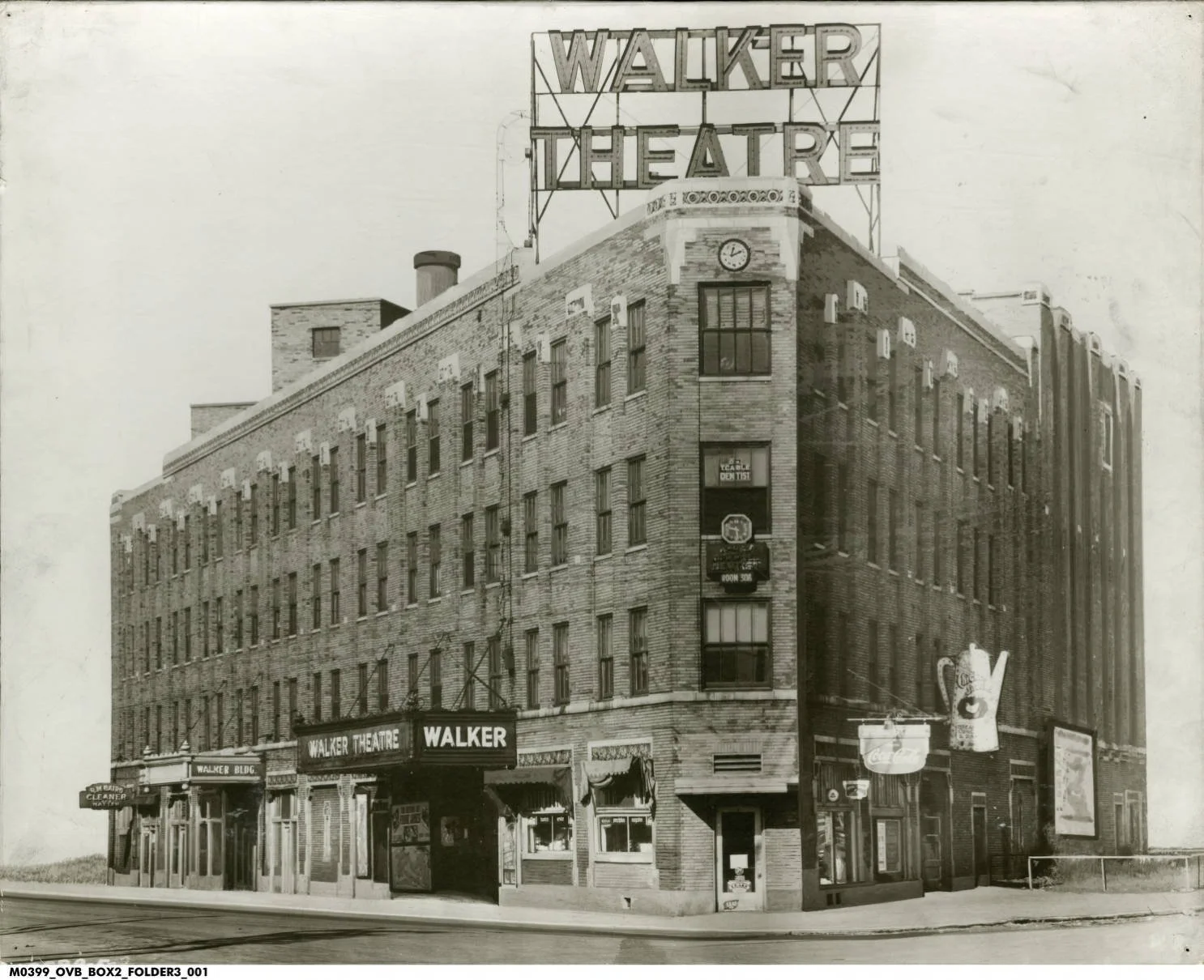
Madam C.J. Walker Building - © Indiana Historical Society
The history of "The Avenue" begins in 1865 with its first Black-owned business. Early entrepreneurs like Smothers and Franklin paved the way for prominent figures such as Madam C.J. Walker. In 1910, Walker relocated her manufacturing headquarters to Indianapolis and later opened the well-known Walker Theatre on the same street. By the early 20th century, Indiana Avenue had become a lively, self-sufficient community with over 15,000 African American residents.
Due to segregation of the period, the community created its own vibrant world, featuring more than 30 jazz clubs, thriving Black-owned businesses, newspapers, and churches. This era marked the rise of the Madam C.J. Walker building, a symbol of Black entrepreneurship that remains one of the most historic landmarks of the Avenue today.
The Sound That Shook the World
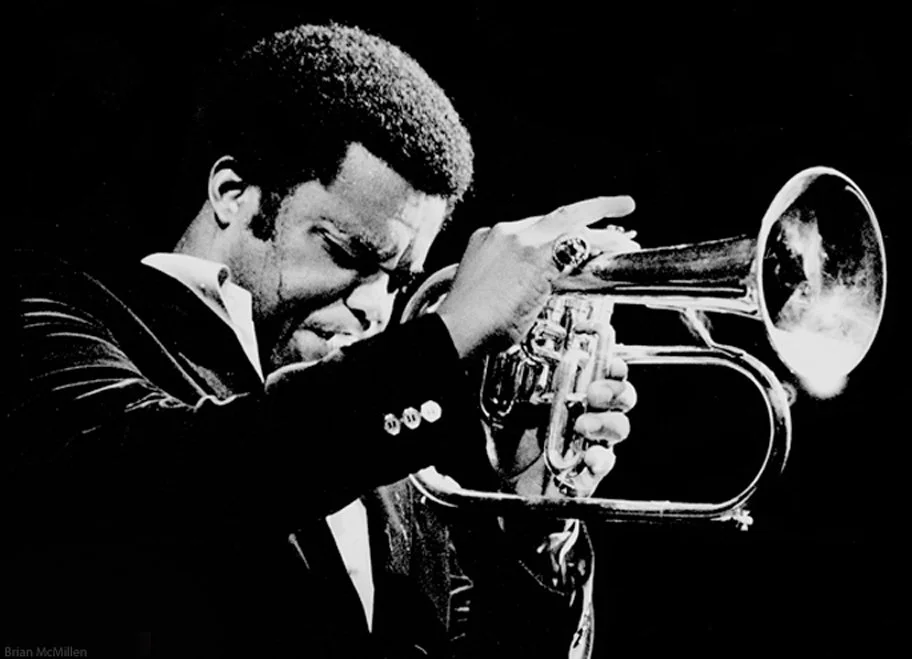
Freddie Hubbard at Great American Music Hall, San Francisco CA 1977. Photo by Brian McMillen
Indiana Avenue holds some of the most influential jazz history in the United States. Thanks to the vision of promoters like Denver and Sea Ferguson, who were instrumental in the legendary "Chitlin’ Circuit," Indianapolis became a mandatory stop for the greatest names in music history.
On any given night, the avenue carried the sounds of Duke Ellington, Ella Fitzgerald, Louis Armstrong, and Count Basie Orchestra, Houston Pearson. But it wasn't just a destination for touring stars; it was a training ground for local legends like Freddie Hubbard and the incomparable Wes Montgomery, whose "Naptown" sound changed the way the guitar was played forever.
Preserving the Past, Educating the Future
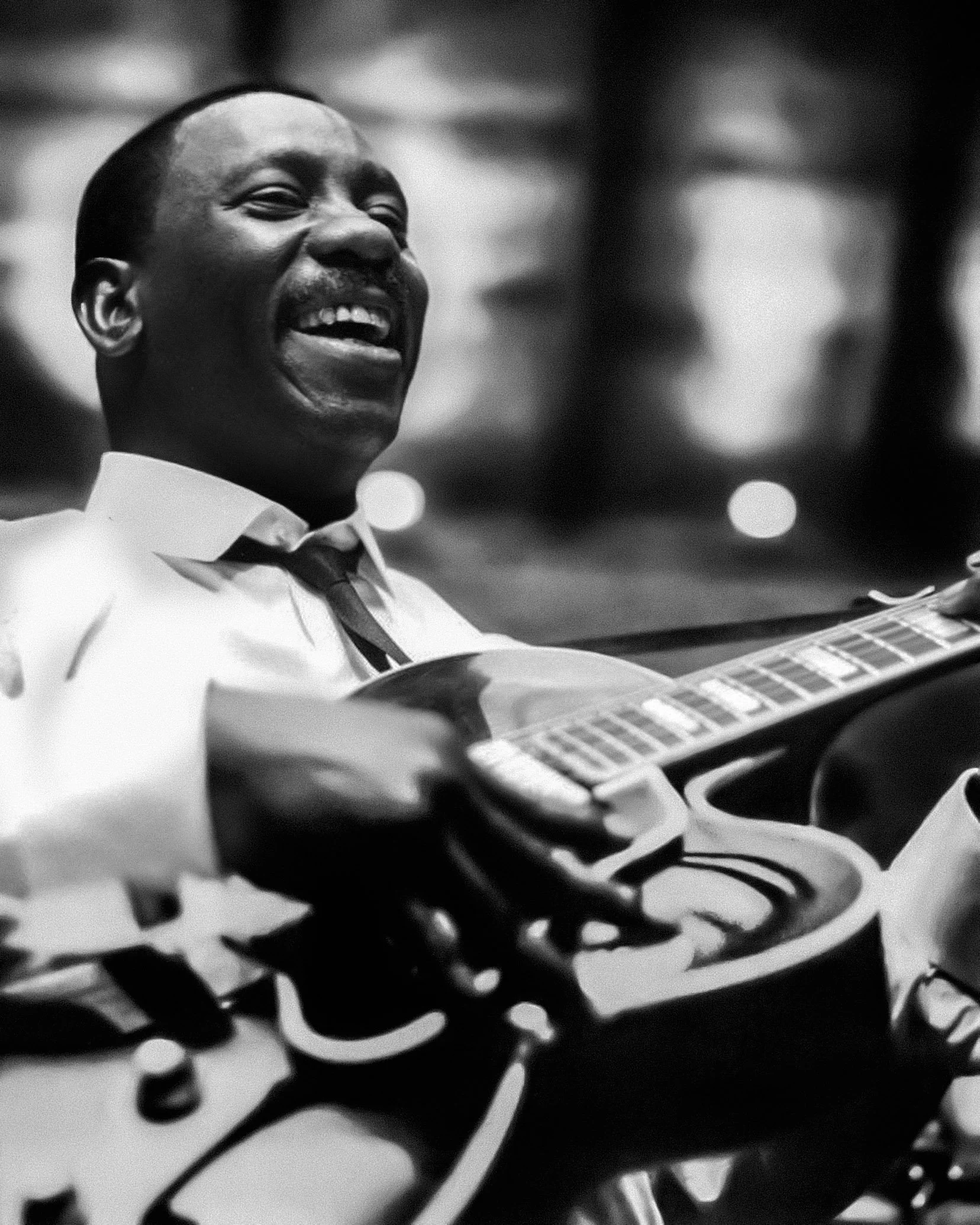
Wes Montgomery during a recording session in the mid-1960s - by Chuck Stewart
At the Indianapolis Jazz Foundation, we recognize that Black History is not just something to be read in a book. It is something to be heard, felt, and passed down. We are dedicated to ensuring the spirit of Indiana Avenue lives on through our three core pillars:
Legacy: We work tirelessly to preserve the stories and landmarks of Indianapolis’s jazz heritage, ensuring the pioneers of our local scene receive the credit they deserve.
Performance: By producing world-class events, we provide a stage for the Black culture and sounds that defined our city, keeping the "Avenue" spirit alive in modern venues.
Education: Through our initiatives, we mentor the next generation of musicians, teaching them the history of the greats who walked these streets and equipping them with the tools to innovate the genre for years to come.
Join the Movement
We cannot honor jazz without acknowledging the Black communities that pioneered the sound and culture. As we celebrate this 100th year of Black History Month, we invite you to help us keep this flame burning.
Support the Preservation of Jazz: To help us continue our mission of legacy, performance, and education, please consider making a donation today:
For an in-depth look at the history of Indiana Avenue, of jazz and beyond, check out this article by the Encyclopedia of Indianapolis: indyencyclopedia.org/indiana-avenue/
Sources Used: